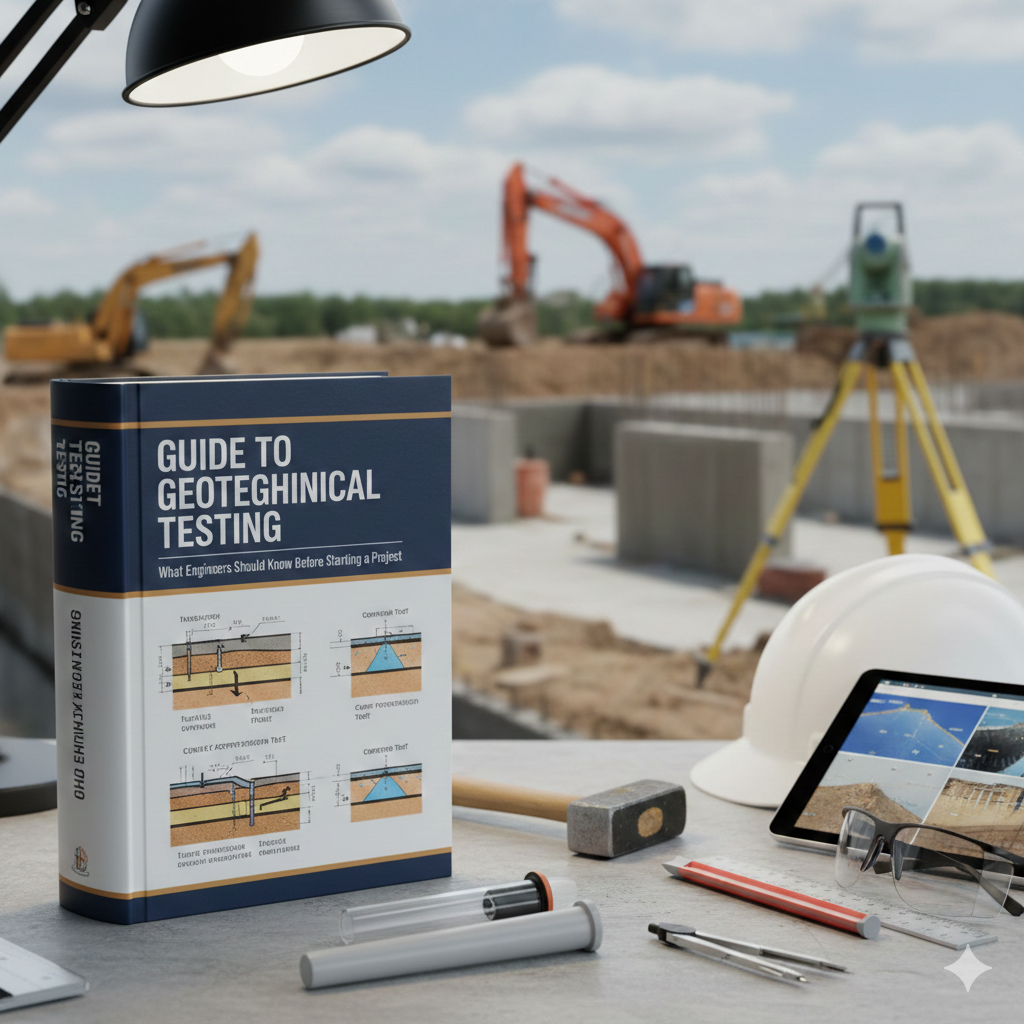
Guide to Geotechnical Testing: What Engineers Should Know Before Starting a Project
If you’re currently looking for geotechnical testing services in Oman or a dependable soil testing lab in Muscat, this guide will walk you through what engineers really need to know before breaking ground.
What Is Geotechnical Testing?
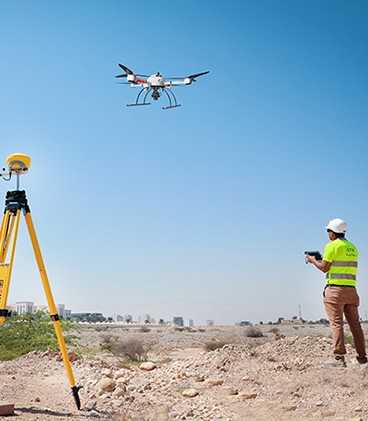
In simple terms, geotechnical testing is the process of studying soil and rock to understand how they will behave under a structure. The ground is not the same everywhere. Even within the same city—including areas across Muscat—soil conditions can vary significantly from one site to another. That’s why professional testing is essential.
Through field and laboratory tests, engineers evaluate:
- Soil bearing capacity
- Settlement potential
- Groundwater conditions
- Soil classification
- Shear strength
- Compaction characteristics
Working with an experienced geotechnical investigation company in Oman ensures your project meets both engineering standards and municipality requirements.
Why Geotechnical Testing Is So Important
1. It Protects Structural Stability
A strong building starts with a strong foundation—and a strong foundation depends on soil behavior. Without proper testing, you risk cracking, uneven settlement, or even structural failure. Understanding the ground conditions early allows engineers to design foundations that are safe and reliable.
2. It Reduces Construction Surprises
Construction delays are expensive. Discovering weak soil or high groundwater levels halfway through excavation can bring a project to a halt. By investing in proper investigation upfront, engineers can adjust designs early and avoid costly redesigns later.
3. It Saves Time and Money
While geotechnical testing is an upfront cost, it often prevents far more expensive repairs in the future. Fixing foundation problems after construction is significantly more complicated—and far more costly—than designing correctly from the start.
4. It Helps Meet Regulatory Requirements
In many parts of Oman, municipalities require certified soil investigation reports before issuing building permits. A professional, accredited lab ensures your documentation is compliant and accepted.
Key Types of Geotechnical Tests
A qualified accredited soil testing laboratory in Oman typically performs a combination of field and laboratory tests.
Field Tests (On-Site)
These tests help engineers understand real-time soil conditions:
- Standard Penetration Test (SPT)
- Cone Penetration Test (CPT)
- Plate Load Test
- Field Density Test
Laboratory Tests (Controlled Environment)
Collected soil samples are analyzed in detail to determine:
- Grain size distribution
- Atterberg limits (plasticity characteristics)
- Proctor compaction properties
- California Bearing Ratio (CBR)
- Triaxial shear strength
Together, these tests provide the data needed for foundation design, pavement systems, retaining walls, and infrastructure planning.
What Does the Geotechnical Investigation Process Look Like?
When working with a professional geotechnical investigation company in Oman, the process usually follows these steps:
- Site Reconnaissance: Initial inspection of surface conditions
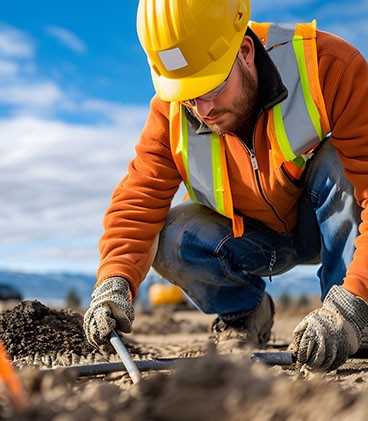
- Borehole Drilling: Extracting soil samples from different depths
- In-Situ Testing: Conducting tests directly on site
- Laboratory Testing: Detailed soil analysis
- Engineering Report: Final recommendations for foundation design
Many providers offering construction testing services in Oman combine soil testing with material testing for concrete, asphalt, and steel—creating a complete quality control solution.
Common Soil Challenges in Oman
Oman’s landscape is diverse, and soil behavior can vary widely. Some common challenges include:
- Loose sandy soils in coastal regions
- Expansive clay that swells and shrinks
- High groundwater tables
- Sabkha (saline soils) in certain areas
These conditions require local expertise. Choosing specialized geotechnical testing services in Oman ensures your engineers understand regional soil characteristics and climate influences.
How to Choose the Right Soil Testing Lab in Muscat
Not all laboratories offer the same level of expertise or accreditation. When selecting a soil testing lab in Muscat, consider:
- Proper accreditation and certification
- Experience with local soil conditions
- Qualified geotechnical engineers
- Modern drilling and testing equipment
- Clear reporting and fast turnaround time
- Compliance with international standards
Working with an accredited soil testing laboratory in Oman ensures your results are accurate, reliable, and accepted by authorities.
When Should Geotechnical Testing Be Done?
The earlier, the better. Geotechnical investigations should ideally be conducted:
- During feasibility studies
- Before purchasing land for large developments
- Before finalizing foundation design
- Prior to infrastructure planning
Early testing empowers engineers to make confident, informed decisions—and prevents structural risks before they arise.
The Real Value of Professional Geotechnical Services
Hiring a reputable geotechnical investigation company in Oman offers more than just soil data. It provides:
- Accurate site analysis
- Reduced structural risk
- Compliance with regulations
- Optimized foundation design
- Long-term cost savings
Final Thoughts
Geotechnical testing isn’t just another checklist item before construction. It is the foundation of every safe, stable, and successful structure. By working with a reliable geotechnical investigation company in Oman or an accredited soil testing laboratory in Oman, engineers can move forward with confidence—knowing the ground beneath their project has been properly understood.
If you’re planning a new development and need expert geotechnical testing services in Oman or a certified soil testing lab in Muscat, choosing the right partner today can prevent major structural problems tomorrow.